
Skip to product information
1 of 1

Thermal Rectangular Pipe

Thermal Rectangular Pipe

SKU : SST-204-1M-IND

Overview

Verplas Thermal Rectangular Pipe
£28.79 GBP Excl. VAT: £23.99 GBP

In Stock

  • For warranty information, please refer to the manufacturer’s warranty policy or contact them directly.
View full details

Description

Verplas Thermal Rectangular Pipe

Product Part Number:

1 Meter of 204x60mm Rectangular Pipe - SST-204-1M
1 Meter of 220x90mm Rectangular Pipe - SST-220-1M-IND

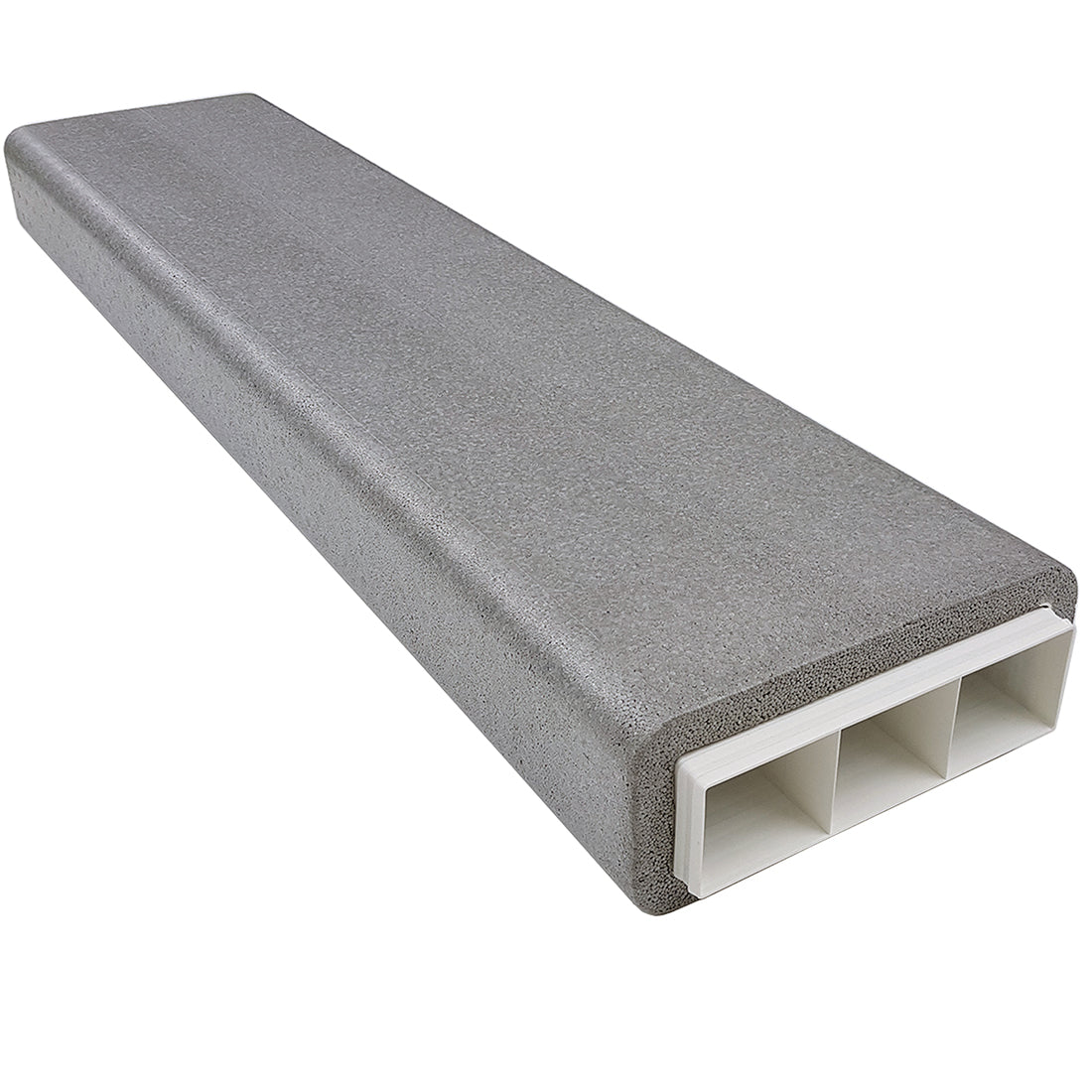
The Verplas Self-Seal thermal 1 meter duct is made from graphite impregnated expanded Polystyrene
Supplied with duct-to-duct connector to fit into the next set of duct
Push-fit design for easy connection to a 204x60mm/220x90mm fan spigot
Can be cut to length for duct-to-fitting push-lock and click installation
Meets thermal conductivity requirements of BASF-EN13163
Exceeds DW/143 Class A standards, ensuring low leakage

Available Sizes:

204x60mm
220x90mm


Video

Frequently Asked Questions

  • What is thermal ductwork used for?

    Thermal ductwork is used in ventilation systems where an insulated duct run is required. It can help reduce heat loss and lower the risk of condensation in suitable duct routes.

  • Where is thermal ductwork commonly installed?

    Thermal ductwork is commonly used in areas where ducting may pass through colder spaces, such as lofts, roof spaces, ceiling voids or unheated areas, depending on the ventilation design.

  • Does insulated ducting prevent condensation inside the duct?

    Correctly specified insulation can significantly reduce the risk of condensation by limiting temperature differences between the duct surface and surrounding air.

  • Is thermal ducting a building regulation requirement?

    Insulation requirements depend on the duct location, system and applicable Building Regulations. Ductwork passing through unheated spaces commonly requires suitable insulation.

  • Do I still need thermal ducting if the loft itself is well insulated?

    Potentially, yes. If the ductwork is outside the insulated building envelope or carries air at a significantly different temperature, additional duct insulation may still be required.